
Murder and Publicity
The A.B.C. MurdersThis thread traces how the murders become a national spectacle and how publicity both serves the killer’s disguise and contributes to his downfall.
increasing Bearing strength in each event
 decreasing
Bearing strength in each eventdecreasingA Private Letter
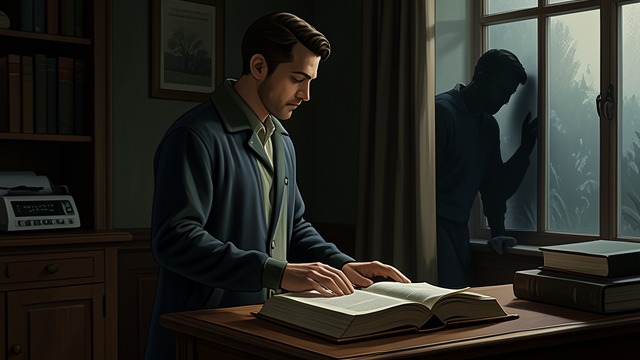
Seeking an Audience
A direct challenge
The first letter addresses Poirot as a clever opponent and taunts the British police. The killer’s public persona begins in private correspondence.
Fame as apparent motive
The message suggests that recognition matters as much as the killings. Its theatrical voice encourages investigators to interpret the case as a bid for notoriety.
A Murder Makes News

Bexhill Captures Attention
A young victim
Betty’s age and the seaside setting make the second murder far more newsworthy than Alice’s death. The press begins to repeat the ABC clues.
A story takes control
The serial narrative becomes more compelling than each victim’s private life. Readers are encouraged to follow the killer’s supposed rules.
The Nation Joins In
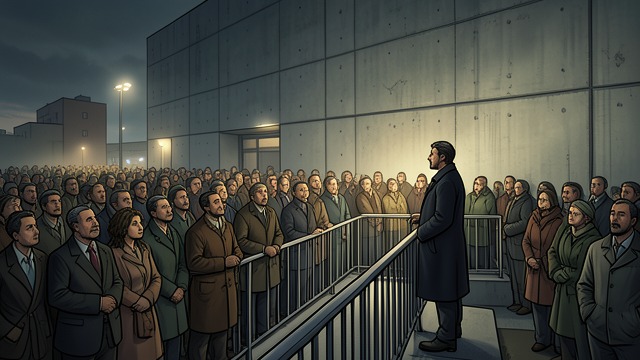
Amateur Detectives Multiply
Mass attention
Newspapers publish clues and interviews, and the public reports suspicious strangers. Police receive more information but also much more noise.
The killer’s advantage
Public fascination fulfills the apparent killer’s demand for attention while concealing Franklin among the witnesses and organizers. The spectacle temporarily serves him.
Publicity Has Two Edges
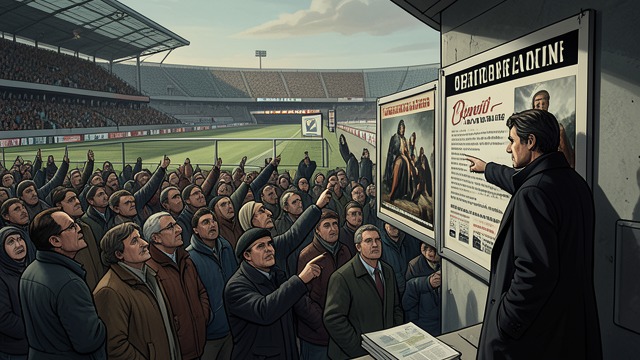
The Crowd Watches Doncaster
Warnings mobilize people
The press prepares the public for the Doncaster murder, putting names beginning with D on alert. Police and civilians watch the race-day crowd.
A mistake creates evidence
The public focus does not stop Earlsfield’s murder, but witnesses and hotel staff provide clues. The visibility that Clarke sought begins to work against him.
The Headline Reverses
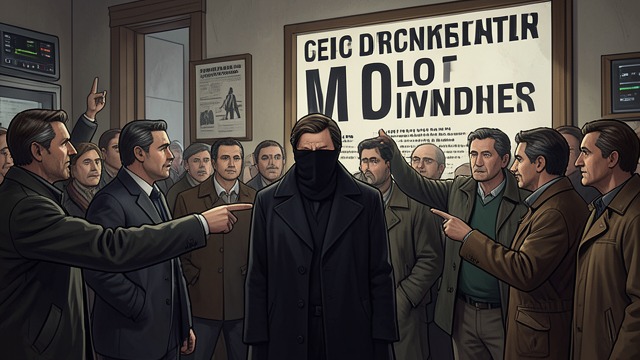
The Famous Man Exposed
Spectacle becomes evidence
The campaign that made an unknown man infamous instead draws attention to its designer. The constructed persona cannot withstand scrutiny of the beneficiaries and logistics.
Public story corrected
The case shifts from a mysterious maniac to a calculated inheritance murder. Publicity proves neither truth nor justice by itself; interpretation matters.
June 1935
July 1935
After the Churston murder
September 1935
After Franklin Clarke is identified
